Jul 21, 2026
Spectacle Marketing: Benefits, Limits, and Strategy
hamilton
Spectacle marketing uses scale, visual impact, and immersive design to capture attention and create memorable brand experiences. Large environments, dramatic reveals, and cultural moments draw audiences into a story that lives beyond a single event. Spectacle does not always mean bigger budgets or larger structures. Impact comes from alignment among story, audience, and environment. In some cases, a quiet, controlled space can resonate just as deeply and create as much drama as a massive installation.
What Spectacle Marketing Means in Experiential Design
Spectacle marketing is about commanding attention. Architecture, lighting, motion, and sound combine to shape how a space feels the moment someone steps into it. Luxury brands have leaned into this for years. Large-scale activations, immersive installations, and even performance-driven environments all reinforce identity and create cultural relevance. These experiences typically blur the line between marketing and art, generating attention that traditional media rarely sustains.
Experiential environments communicate through space. Long before anything is constructed, teams are mapping how visitors will enter, where they will pause, and what they will remember on the way out. Spectacle works best when the design supports a clear story. Thoughtful pacing allows each element to feel intentional.
The Value of Spectacle Marketing in Certain Brand Experiences
Spectacle also creates moments that travel. A striking installation may circulate across social media, industry press, and photography long after the event ends. Many of the most celebrated advertising campaigns achieved lasting recognition through strong storytelling and memorable creative execution.
The Limitations and Potential Pitfalls of Spectacle Marketing
Scale alone does not guarantee impact. Large environments without a clear narrative may attract attention in the moment, but they rarely hold it. Visitors might remember the size or the visuals, but not the brand behind them. There is also the risk of overproduction. If audiences encounter too many competing elements, they may struggle to focus on the central story.
Authenticity is another pressure point. Spectacle works when it feels like a natural extension of the brand. When it leans too heavily on trends or intimidation, it reads as surface-level. Budget adds another layer. Large-scale builds require significant investment across multiple phases. The key question becomes simple: is the scale doing real work, or just adding weight?
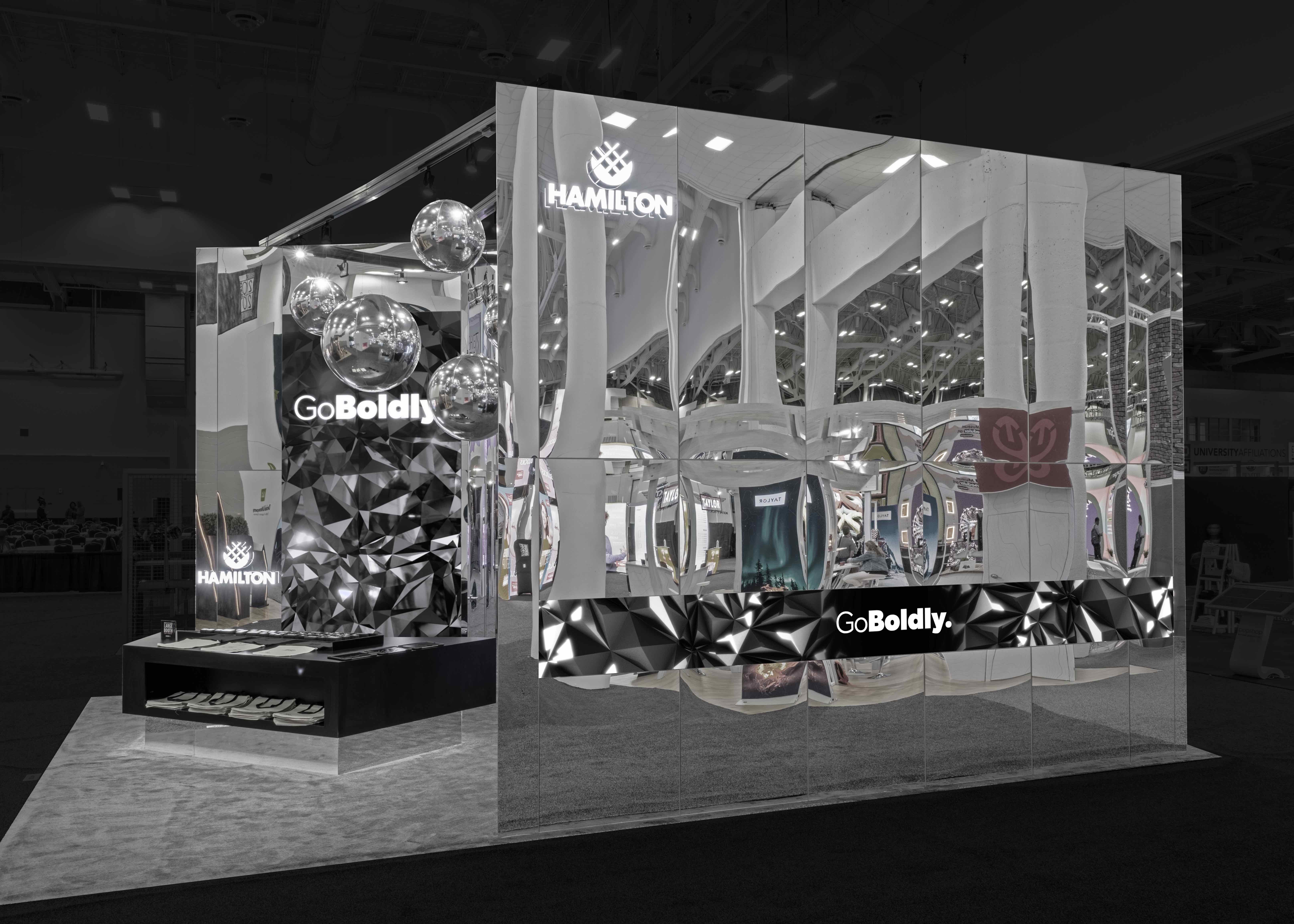
Environments built around a clear narrative give each element a purpose. In Hamilton’s work for EXHIBITORLIVE 2023, that meant taking a different approach: drawing from luxury retail instead of relying on spectacle alone. Clean architectural lines, restrained materials, and a focused visual language created a space that invited curiosity without overwhelming it. Clear storytelling transforms spectacle from decoration into communication.
Choosing Between Spectacle and Subtlety Based on Audience and Content
Some environments benefit from dramatic scale. Technology launches, entertainment properties, and cultural partnerships often require visual impact to match audience anticipation. Large structures, dynamic lighting, and interactive installations help deliver energy appropriate for those moments. Others call for a delicate approach. Museums, educational installations, and intimate brand encounters often rely on control rather than volume. Materials, lighting, and pacing do the work. Audience mindset is often the deciding factor. Are visitors looking to explore? To learn? To be entertained? The answer shapes everything from layout to tone to how information is delivered.
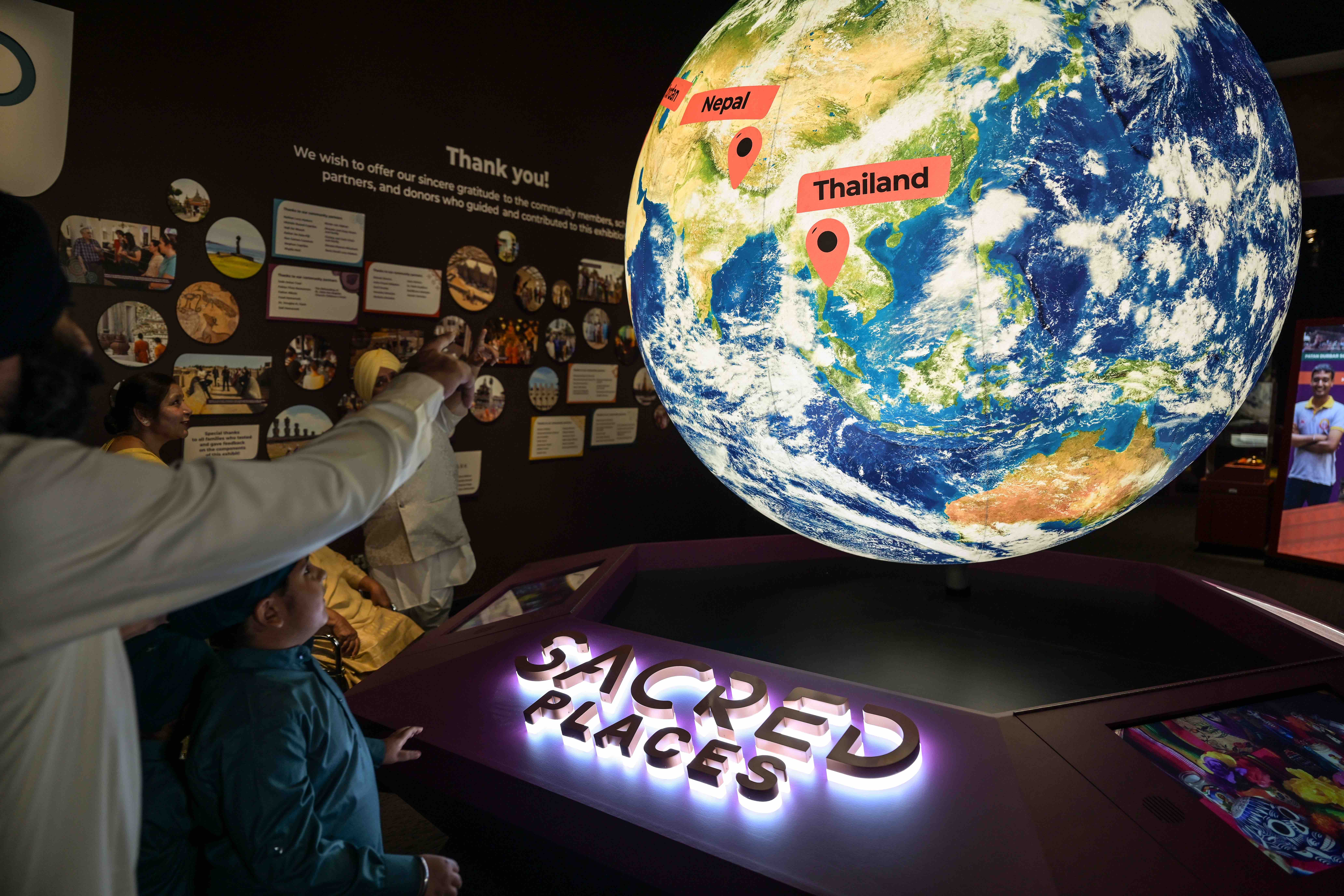
Hamilton’s work with the Children’s Museum of Indianapolis offers a good example. The “Sacred Places” exhibit used immersive storytelling to guide visitors through global environments, balancing visual richness with educational clarity. The result was not overwhelming but absorbing.
The most effective experiences do not sit at one extreme. They shift. A bold entry moment may lead into quieter zones where visitors engage more deeply with content. Strategic contrast keeps audiences attentive throughout the journey.
Partner with Hamilton to Create Powerful, Nuanced Brand Experiences
Experiential design works best when creative vision, technical expertise, and strategic insight operate together. Hamilton’s history reflects a long commitment to designing experiences that communicate clearly while creating lasting impressions.
Hamilton is a full-service experiential and event marketing agency with a 75-year legacy creating immersive brand experiences for companies worldwide. We design, produce, and execute integrated experiences – exhibits, events, environments, mobile, and digital solutions – that drive meaningful connections between brands and their audiences.
Contact Hamilton today to start building an experience that resonates.
—
Resources:
Newsletter Signup
Sign up to receive exclusive updates from Hamilton and resources on event marketing, exhibit strategy, and experiential technology.
Newsletter Signup
Sign up to receive exclusive updates from Hamilton and resources on event marketing, exhibit strategy, and experiential technology.